What to Do with Bulky Waste After a Cockfosters Move
Posted on 15/05/2026
Moving house is busy enough without staring at a pile of awkward leftovers in the hallway. Old wardrobes, broken shelves, a sagging mattress, a fridge that nobody wants to carry downstairs at 7am - bulky waste has a way of making a fresh start feel strangely messy. If you have just completed a move in Cockfosters, the next question is usually simple: what do you do with all the large items you no longer need?
This guide explains what to do with bulky waste after a Cockfosters move in a practical, no-nonsense way. We will cover what counts as bulky waste, how to sort it, the main disposal and reuse routes, what to avoid, and how to keep the whole process safe, tidy, and as stress-free as possible. To be fair, the best approach is usually a mix of planning and common sense - not fancy stuff.
If you are still in the thick of moving day logistics, it can help to read about creating a decluttered home environment before the move and organising your packing step by step. Those two habits alone often reduce the amount of bulky waste you end up dealing with afterwards.

Why What to Do with Bulky Waste After a Cockfosters Move Matters
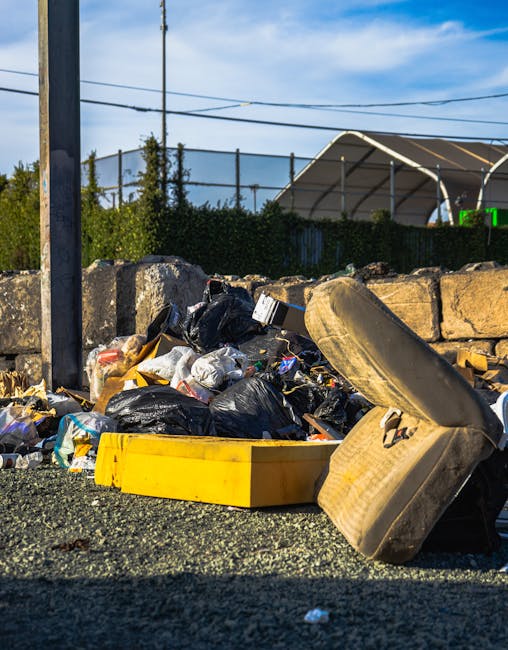
Bulky waste is not just "stuff you do not want anymore". It is usually the awkward, heavy, oversized material that takes up space, requires extra handling, and cannot simply be dropped into a normal household bin. After a move, this often includes furniture, white goods, mattresses, carpets, mirrors, wardrobes, exercise machines, and damaged items that did not survive the process.
Why does it matter so much after a move in Cockfosters? Because a move already creates pressure: boxes stack up, rooms feel unfamiliar, and the last thing you need is clutter hanging around while you try to settle in. Old bulk items can also block access, create trip hazards, and slow down cleaning, decorating, and unpacking. If you are handing back a property, it can even affect the final condition of the home. That is one reason many people pair waste planning with a proper moving-out clean.
There is also a financial angle, though nobody likes to think about it. If an item can be reused, sold, or donated, that is one less thing to pay to remove. If it must be disposed of, sorting it properly can make the job faster and safer. It sounds boring. It saves headaches. Sometimes both.
And let's be honest, bulky waste is where people tend to underestimate the work. A wardrobe may look "fine" until you try to turn it in a narrow stairwell. A mattress seems soft enough until you realise it is awkward, dusty, and not especially elegant to carry through a hallway. That is why handling it well matters from the start.
How What to Do with Bulky Waste After a Cockfosters Move Works
The process is usually easier when you think of bulky waste in stages rather than as one big problem. First, identify what you actually have. Then decide what can be reused, what can be recycled, and what truly needs disposal. After that, choose the right route for removal. Simple in theory, a little messy in real life.
In practical terms, the main routes are:
- Reuse - items in decent condition may be passed on, sold, or given away.
- Recycling - some items can be broken down into materials such as metal, wood, or textiles.
- Specialist removal - larger items may need a removal team with the right van, lifting equipment, and safe handling methods.
- Local disposal arrangements - depending on the item and local rules, there may be council-style collection options or nearby disposal facilities.
The exact route depends on what the item is made of, how big it is, whether it is reusable, and how urgently it needs to go. A bed frame is not the same as a piano. A freezer is not the same as a sofa. Some items also need extra care because of weight, sharp edges, electrical components, or contamination. If you have particularly awkward belongings, such as a heavy cabinet or piano, it is worth reviewing the practical advice in heavy object lifting techniques and the specialist guidance on piano removals in Cockfosters.
A sensible approach is to decide quickly whether an item is worth saving. If the answer is "maybe" and you have not used it in years, that is usually your cue. Space is valuable after a move, and bulky waste has a habit of making new homes feel smaller than they are.
Key Benefits and Practical Advantages
Dealing with bulky waste properly after a move is not just about tidiness. It gives you a cleaner, safer, more usable home from day one. Here are the main advantages people notice straight away.
- More usable space - you can unpack without working around unwanted items.
- Less physical strain - fewer risky lifts and fewer chances of injury.
- Better organisation - it becomes easier to see what you really own and need.
- Cleaner rooms - removing bulky waste helps with dust, access, and general move-in cleaning.
- Reduced stress - fewer unfinished tasks means a calmer first week in the property.
- Better resale or donation outcomes - items kept in good condition are easier to pass on quickly.
There is a nice side effect too: once the bulky waste is gone, the rest of the move starts to look more manageable. It is surprising how much mental clutter disappears when physical clutter leaves the building. One less sofa, one less problem. Small victory, but still a victory.
For households that are trying to minimise waste overall, this is also a good moment to think about recycling and sustainability options. Even if some items cannot be saved, it is still worth checking whether they can be separated into recyclable components rather than sent away blindly.
Who This Is For and When It Makes Sense
This applies to more people than you might expect. If you have recently moved and now have furniture, appliances, or other large possessions you no longer want, you are in the right place. It is especially useful for:
- homeowners and tenants clearing out after a house move
- people downsizing and replacing larger furniture
- families who inherited duplicate or outdated items
- flat movers who are replacing old bulky pieces with smaller ones
- students or sharers moving between properties and needing a fast reset
- anyone who has run out of storage and wants a cleaner start
It also makes sense when you are short on time. A move can be neatly planned and still end with a pile of items that need attention. For example, you may already be using a removal van in Cockfosters for the move itself, but then realise the old bed, freezer, and TV unit are not going to the new place. That is normal. Not ideal, but normal.
If you are moving from a flat, a terrace, or a property with tight access, bulky waste becomes even more relevant. Narrow stairs, small lifts, or limited parking can turn a simple clear-out into a fiddly job. In those cases, planning ahead matters more than brute force.
Step-by-Step Guidance
If you want a practical way to handle bulky waste after a Cockfosters move, use this sequence.
1. Walk through the property with a clear eye
Start in each room and list the large items you no longer need. Include wardrobes, shelving, mattresses, fridges, freezers, sofas, desks, and anything else that needs two people or a trolley to move safely. Do not forget the loft, shed, and garage. That is where the surprise items live.
2. Separate items into four groups
- Keep - items you will definitely move with you.
- Reuse/sell - usable pieces that still have life in them.
- Recycle - items made from materials that can be broken down.
- Dispose - damaged, unsafe, or unsellable items.
This sounds basic, and it is. Basic is good. Basic gets things done.
3. Check condition honestly
A scratched table may still be reusable. A broken drawer unit with swelling from damp probably is not. If an item smells strongly, is water damaged, or has structural issues, it is often better to move it straight into the disposal pile. Beds and mattresses need extra thought here; if you are moving one or keeping one, read the practical notes in this bed and mattress relocation guide.
4. Measure and photograph large pieces
Photos are useful if you decide to sell, donate, or request a removal quote. Measurements help you work out whether an item will fit through doorways, stairwells, and lifts. It takes a few minutes and prevents a lot of awkward back-and-forth later.
5. Decide whether you need help moving it
Heavy, oversized, or fragile bulky waste should not be guessed at. If something is too large for one person to lift safely, get help. If the item has awkward weight distribution, treat it as a team lift. And if you are not sure, err on the side of caution. A slightly slower plan is usually better than a strained back.
6. Choose the best disposal route
For reusable items, start with resale or donation. For broken items, choose recycling or a removal option that handles mixed waste responsibly. For contaminated or very damaged goods, disposal is usually the final stop. If you need a fast turnaround, a local same-day option may suit you, especially when you need the space cleared before cleaners, decorators, or the next tenant arrives. A same-day removals service in Cockfosters can be useful when time is tight.
7. Clear the path before anything moves
Move loose rugs, open doors, protect corners, and make sure the route is well lit. It sounds obvious, but a cluttered hallway or a damp patch on the floor is exactly the sort of thing that causes slips. If you have ever tried turning a wardrobe at the top of the stairs while muttering under your breath, you will know the feeling. Not fun.
8. Finish with a final sweep
Once the bulky items are gone, check for screws, brackets, and debris. Then vacuum or sweep the area. That final pass matters more than people think, especially if you are handing a property back or trying to settle into a clean new space.
Expert Tips for Better Results
A few practical habits can make bulky waste removal much smoother.
- Use the move as a declutter trigger. If you are undecided about an item, ask whether it deserves space in the new home.
- Keep similar items together. Beds, tables, and white goods are easier to manage in separate groups.
- Protect floors and walls. Cardboard, blankets, or furniture covers can prevent fresh damage during the final clear-out.
- Label items clearly. A quick note like "keep", "donate", or "remove" saves time when helpers arrive.
- Plan for weight before you lift. Heavy items are often more awkward than they first appear.
There is also a very practical moving-day truth: items that were "fine" in the old home sometimes become useless in the new one. That narrow cupboard that worked beautifully in a Victorian hallway may look ridiculous in a small modern flat. Different room, different fit. No drama, just a decision.
If the bulky waste is part of a bigger move, the wider moving process matters too. A bit of planning around how to make a house move feel easier can cut down the number of last-minute surprises. It is the little things - tape, labels, access routes, and timing - that usually save the day.
Common Mistakes to Avoid
Most bulky waste problems after a move come from a handful of familiar mistakes.
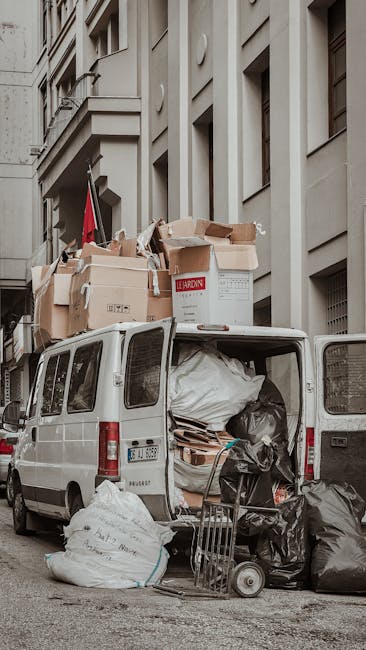
- Leaving everything until the end. Then you are tired, rushed, and more likely to make poor choices.
- Trying to carry oversized items alone. A solo lift can go wrong very quickly, especially on stairs.
- Assuming the item is reusable without checking. Looks can be deceiving. A sofa may be clean on top and damaged underneath.
- Ignoring dismantling opportunities. Flat-pack pieces are often much easier to move apart than whole.
- Forgetting access issues. Lifts, gates, parking, and neighbours all affect how smoothly removal works.
- Putting everything in one pile. Mixed bulky waste is harder to sort and can slow down the whole process.
Another common one: people keep holding on to items because "someone might want it". Maybe. Sometimes. But if that "someone" never appears, the item becomes a permanent guest in the hallway. And nobody likes that guest.
If you suspect an item is too heavy or awkward to handle safely, it is better to stop and reassess. The guidance in kinetic lifting techniques explains why body mechanics matter, even for everyday moving tasks. A small adjustment in technique can make a big difference.
Tools, Resources and Recommendations
You do not need a van full of specialist gear to deal with bulky waste, but a few simple tools help a lot.
- Work gloves for grip and protection
- Moving straps for awkward heavy items
- Dolly or trolley for easier transport across flat floors
- Blankets or floor protectors to guard walls and surfaces
- Box cutter or screwdriver set for dismantling furniture
- Marker pens and labels to sort keep/reuse/dispose items
- Rubbish sacks or tie-wraps for small loose parts
On the planning side, a clean packing system makes bulky waste decisions easier. If items are boxed and labelled properly, you are less likely to lose track of what is actually being kept. That is where packing and boxes in Cockfosters can support the broader move.
For homeowners or tenants who want extra space before the next chapter begins, storage in Cockfosters can also be useful. Sometimes the right answer is not to throw everything away; it is to store a few valuable bulky items while you decide properly. Not glamorous, but sensible.
If the clear-out is part of a bigger local move, a wider removals service can help coordinate the heavy lifting and transport. You can explore the full range of removal services in Cockfosters or see the broader services overview to work out what fits your situation.
Law, Compliance, Standards, or Best Practice
When bulky waste leaves a property, it should be handled responsibly. In the UK, best practice is to use a lawful, traceable route for disposal and to avoid leaving items in inappropriate places. That means no fly-tipping, no dumping outside a property, and no guessing with items that require special handling.
For readers, the simplest rule is this: if you are not certain where something should go, treat it carefully and choose a proper disposal or recycling route. Electrical items, refrigeration units, and items with hazardous components need extra care. Large furniture can contain materials that are reusable, recyclable, or both, but they need to be separated sensibly.
It is also worth thinking about health and safety standards during the removal itself. Good practice includes clear access routes, safe lifting, proper loading, and avoiding overload. If a removal team is involved, they should be insured and follow clear safety procedures. You can review the general approach in the site's health and safety policy and insurance and safety information.
Best practice is not about being fussy. It is about reducing risk, keeping neighbours happy, and making sure the property is left in a good condition. Quietly, that matters more than people think.
Options, Methods, or Comparison Table
Different bulky waste routes suit different situations. Here is a straightforward comparison.
| Method | Best for | Pros | Watch-outs |
|---|---|---|---|
| Reuse or donate | Good-condition furniture and appliances | Reduces waste, can help others, may be free to pass on | Requires items to be clean, complete, and presentable |
| Sell privately | Desirable pieces with useful life left | Can recover some value | May take time, messages, and collection coordination |
| Recycling route | Items with recyclable materials | More sustainable than general disposal | Some items need disassembly or sorting first |
| Specialist removal | Large, heavy, awkward, or urgent items | Fast, safer, less physical effort | May need planning, access checks, and a quote |
| Keep in storage | Items you are undecided about | Buys time, prevents rushed disposal | Ongoing storage may not suit low-value items |
There is no single "best" method. The right answer depends on condition, urgency, size, and whether you care about resale value. For many people, a mixed approach works best: keep what matters, reuse what can be reused, recycle what can be recycled, and remove the rest properly.
Case Study or Real-World Example
Here is a simple real-world style example based on a typical Cockfosters move.
A couple moved from a two-bedroom flat into a slightly larger home and discovered they had three bulky items they no longer needed: an old wardrobe, a mattress, and a freezer that had been replaced before moving day. At first they planned to "deal with it later". Then the hallway filled with boxes, the cleaner was due the next morning, and they realised later had become now.
So they made a quick list. The wardrobe was dismantled because it could not turn safely in the staircase. The mattress was kept aside for separate handling because it was too awkward to leave in the main packing path. The freezer was checked for storage needs and whether it was worth keeping; after a pause, they chose to remove it. They then booked a removal slot and made sure the route to the front door was clear.
The result was not glamorous, but it worked. The home felt bigger immediately, the clean-up was easier, and they avoided dragging the issue into the first week after the move. That is the real lesson here: small decisions, made early, save a lot of faff later on.
If your move also involves larger specialist items, it may help to look at how the service handles difficult loads through the relevant furniture removals page or the broader man with a van service in Cockfosters. Different jobs need different levels of support, and that is perfectly normal.
Practical Checklist
Use this checklist once the move is nearly finished or right after you arrive.
- Walk through every room and identify all bulky items.
- Separate items into keep, reuse, recycle, and dispose.
- Check whether anything can be dismantled safely.
- Measure oversized items and note access problems.
- Photograph items if you plan to sell or donate them.
- Decide which items need help or specialist removal.
- Clear hallways, doorways, and stair routes before moving anything.
- Protect floors, walls, and corners where needed.
- Arrange storage if you are not ready to decide on certain items.
- Confirm the final disposal or removal route for each bulky item.
- Do a final sweep for screws, fittings, and debris after clearance.
Quick expert summary: the safest and easiest approach is to sort bulky waste early, avoid one-person lifts for awkward items, and choose the most sensible route for each object instead of trying to treat everything the same. That one mindset shift can make a move feel much lighter, honestly.
Conclusion
Knowing what to do with bulky waste after a Cockfosters move is really about making a fresh start feel clean, workable, and calm. The best results usually come from a bit of sorting, a bit of honesty, and a sensible plan for anything too large, heavy, or awkward to leave lying around.
Reuse what still has value. Recycle what can be broken down properly. Store what you are still unsure about. And remove the rest in a safe, organised way that suits your home, your schedule, and your back. Simple enough, though not always easy. But once it is done, the whole place breathes a little better.
If your move has left you with heavy pieces, tight access, or a last-minute clear-out, the right support can make a real difference. Cockfosters removals support can help you get the space back without turning the job into an all-day battle.
Get a free quote today and see how much you can save.
And if you are still in that half-packed, half-unpacked stage, take it one room at a time. The mess will shrink. It always does.