Bramley Road & Nearby Estate Moves: Cockfosters Local Tips
Posted on 07/05/2026
Bramley Road & Nearby Estate Moves: Cockfosters Local Tips
If you are planning a move around Bramley Road or one of the nearby estates in Cockfosters, the details matter more than people expect. A short journey can still turn into a long day if access is tight, parking is awkward, lifts are small, or the packing has not quite caught up with the calendar. That is the reality of moving in this part of North London. The good news? With the right local tips, a bit of planning, and a sensible approach to loading and access, the whole thing becomes far easier. This guide on Bramley Road & Nearby Estate Moves: Cockfosters Local Tips pulls together practical advice for flats, maisonettes, family homes, and estate moves in the area, so you can avoid the usual last-minute scramble.
Whether you are moving a few streets away, relocating out of a block with shared entrances, or dealing with furniture that barely fits through the stairwell, the aim is simple: fewer surprises and a calmer move. Let's face it, moving day already has enough going on.
Why Bramley Road & Nearby Estate Moves: Cockfosters Local Tips Matters
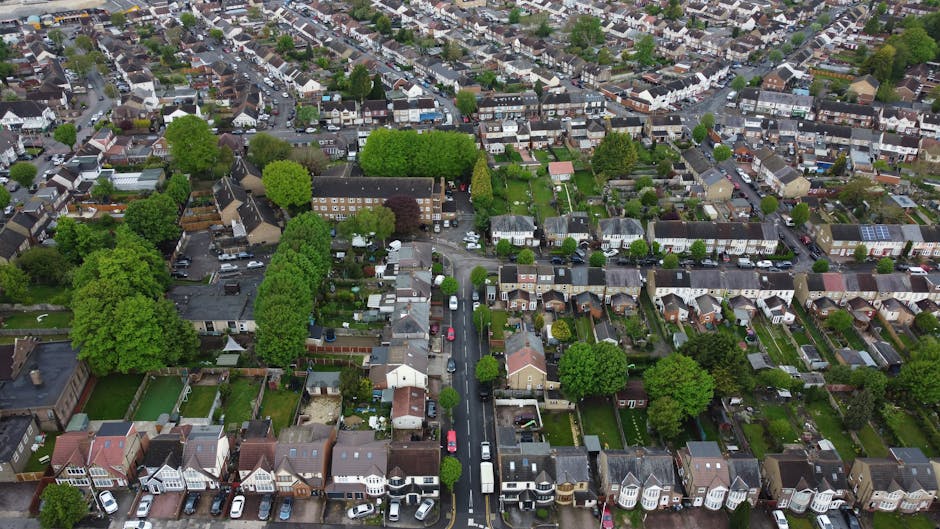
Moves around Bramley Road are rarely about distance. They are about logistics. Estate layouts, controlled parking, narrow communal corridors, stair-only access, and the simple reality of neighbouring cars all influence how quickly a move can happen. That is why local knowledge is such a big deal here. You are not just moving boxes from A to B; you are working around the way the area actually functions on the day.
In Cockfosters, a "simple" move can become tricky if a van cannot park close enough, if lift access is shared with residents, or if the route from flat to vehicle involves several turns and a patchy entrance path. We have all seen the version of moving day where someone says, "It'll be fine," and then ten minutes later they are wrestling a wardrobe in a corridor that was clearly designed by someone who hated wardrobes. That is exactly why a local moving plan helps.
These tips matter for another reason too: they reduce damage. Furniture corners get knocked, walls get marked, and heavy items become much harder to carry when the route has not been thought through. Planning for the estate environment, not just the property itself, is the difference between a move that feels controlled and one that feels like a sprint with a sofa.
If your move includes awkward items, it can help to read up on safe techniques for lifting heavy objects and how better handling reduces strain. For bigger furniture pieces, the service page for furniture removals in Cockfosters is also worth a look if you want support with bulky items.
How Bramley Road & Nearby Estate Moves: Cockfosters Local Tips Works
The process is really about matching the move plan to the property type. A ground-floor flat with a wide entrance needs a different approach from a third-floor apartment with shared stairs and limited waiting space outside. Around Bramley Road and nearby estates, the best results usually come from a clear sequence: check access, reduce the load, prepare the packing, then stage the move so the largest items leave first.
Here is the practical version. First, map the property. Note the door widths, stair turns, lift dimensions if there is one, and where the van can safely stop. Second, separate fragile, heavy, and high-priority items. Third, pack in a way that avoids mixed-weight boxes, because nobody wants a box of books disguised as "miscellaneous." Fourth, decide what absolutely must go on the van first. That little decision matters more than people think.
On estate moves, timing also plays a role. Morning access can be smoother, while later in the day you may encounter more foot traffic, more parked cars, and more interruptions from neighbours arriving home. That doesn't mean you need military precision. It just means the better you sequence the day, the less chaos you create for yourself.
If your move involves multiple rooms, this is where structured packing pays off. A practical guide like step-by-step packing organisation can help you sort by room and priority. If you are still at the stage of getting ready, a decluttering pass can save you a surprising amount of effort; see how a decluttered home makes moving easier.
Key Benefits and Practical Advantages
The obvious benefit is less stress. But there are a few more that matter just as much on the day.
- Faster loading and unloading: When the route is clear and the packing is sensible, the move simply flows better.
- Lower risk of damage: Proper wrapping, lifting, and van loading reduce scuffs, dents, and broken items.
- Less physical strain: This is a big one. A move that looks manageable can become tiring fast if the loads are badly balanced.
- Better use of local access: Estate roads and shared parking can be used more effectively when the van arrives with a plan.
- Cleaner handover: If you are moving out, a well-prepared property is easier to leave in good condition.
- More predictable timings: You are less likely to overrun because you are not improvising every five minutes.
There is also a financial angle, even if people do not always think about it first. When a move is organised properly, fewer items are damaged, fewer return trips are needed, and the job tends to stay within the original plan. That usually makes the whole experience feel more controlled, and that is worth a lot on a busy moving day.
For certain items, the benefit of specialist handling is obvious. Beds and mattresses are awkward, bulky, and oddly difficult to manoeuvre down tight communal stairs. If that sounds familiar, a mattress relocation guide can be a surprisingly useful read before the van arrives.
Who This Is For and When It Makes Sense
This approach suits anyone moving within Cockfosters or into the wider area, but it is especially useful if your property sits on or near Bramley Road and the route involves shared access. If you live in a flat, a maisonette, a converted house, or a block with limited parking, the need for a practical move plan goes up sharply.
It also makes sense if you are moving with children, on a deadline, or with a lot of furniture. Honestly, even small moves can become surprisingly fiddly when they involve a piano stool, a freezer, or a sofa that looked smaller in the showroom. Students moving between term-time homes, families downsizing, and office teams relocating a few pieces at once all face different versions of the same issue: how to move smoothly without turning the day into a mess.
These local tips are useful for:
- tenants leaving a flat or maisonette
- homeowners moving within Cockfosters
- students needing a compact, efficient move
- small office or home-office relocations
- people with large, fragile, or heavy items
- anyone who needs help on short notice
If that sounds like your situation, you may want to look at flat removals in Cockfosters, house removals in Cockfosters, or even same-day removals if time is tight. For smaller-scale jobs, man and van support can be the neat middle ground.
Step-by-Step Guidance
There is no magic trick here. Just a good process. Follow the sequence below and you will remove a lot of pressure from the day.
- Walk the route before moving day. Check the front door, stairwells, communal hall, lift access, and the exact point where the van can stop. If there is a known parking pinch point, solve that first.
- Declutter before you pack. Do not waste box space on items you do not actually want to keep. If you have duplicates, broken bits, or old storage clutter, let them go now. A cleaner start helps, and yes, it feels good too.
- Use a room-by-room packing system. Put a clear label on each box and keep fragile items grouped properly. If you need more structure, this packing guide gives a sensible framework.
- Prepare awkward items separately. Beds, mattresses, freezers, and large furniture need their own plan. For example, a freezer should usually be defrosted and dried in advance if it is being stored or transported after a period of use; a resource like safe freezer storage advice is useful when you are between homes.
- Protect the property. Use door protection, blankets, and careful lifting on sharp turns and stair edges. A tiny scratch on a wall turns into an annoying conversation later.
- Load the van in the right order. Heavy, solid items first. Fragile items and lighter boxes can then be layered safely around them. If the load is random, the whole trip becomes more difficult.
- Do a final walk-through. Check cupboards, loft spaces, under beds, the back of the airing cupboard, and any shared storage. People forget things in the oddest places. Sockets of habit, really.
For customers who want the whole job handled with less personal lifting, the broader removal services in Cockfosters page is a good place to understand the wider options.
Expert Tips for Better Results
A few small decisions can improve the move far more than most people expect.
Tip one: keep a "first night" box separate. Put kettle, mugs, chargers, toiletries, toilet paper, a towel, medication, and basic snacks in one easy-to-reach box. You will thank yourself later, probably around 9pm when you are tired and everything else is still boxed up.
Tip two: use simple labels that tell the truth. "Kitchen - glassware" is better than "miscellaneous." That sounds obvious, but in a real move, vague labels create hesitation and hesitation costs time.
Tip three: photograph awkward disassembly points. A quick picture of the back of a bed frame, wardrobe fixings, or cable setup saves the sort of confusion that usually happens with a screwdriver in one hand and a sigh in the other.
Tip four: treat heavy lifting as a system, not a test of strength. Good lifting is about balance, angle, and planning. If something feels unstable, split the load, use additional help, or choose a different route. For a deeper explanation, how kinetic lifting supports safe handling is a useful read.
Tip five: do not underestimate the furniture. A sofa or dining table may look straightforward until you hit a tight stair corner. That is usually the moment people realise measurement beats optimism. Every time.
For larger household items, there is value in using the right support rather than forcing the issue. If you have a piano, for example, read piano removals in Cockfosters and the related article on why DIY piano relocation is rarely worth the risk. It is not just about weight; it is about control, stability, and protecting the instrument.

Common Mistakes to Avoid
Most moving problems are avoidable. The trouble is, they tend to happen for ordinary reasons: people rush, assume access will sort itself out, or pack too late in the evening when the brain is already half packed too.
- Ignoring parking and access: If the van cannot stop close enough, everything slows down.
- Overfilling boxes: This leads to torn boxes, back strain, and awkward stacking inside the van.
- Leaving packing until the last night: It always feels manageable until it suddenly, very much isn't.
- Not measuring furniture: A quick measurement avoids a lot of hallway drama.
- Forgetting building rules or neighbour considerations: Shared estates work better when the move stays tidy and respectful.
- Mixing essential and non-essential items: If you need something on arrival, keep it separate.
- Skipping a cleaning plan: A move-out clean is easier if you approach it room by room. See moving-out cleanliness tips for a practical approach.
One more thing: do not assume all removals are the same. Estate moves often need more awareness of shared space than a standard driveway pickup. That small difference is enough to change the whole day.
Tools, Resources and Recommendations
You do not need a van full of specialist gear to make a move work, but a few basics are genuinely helpful. The right tools reduce faff. And yes, faff is often the real enemy.
| Tool or Resource | Why It Helps | Best Used For |
|---|---|---|
| Strong removal boxes | Protects items and stacks more safely | Kitchenware, books, mixed household items |
| Furniture blankets | Prevents scuffs and edge damage | Wardrobes, tables, appliances |
| Straps and ties | Keeps the load secure in transit | Large furniture and stacked boxes |
| Labels and marker pens | Makes unloading quicker and cleaner | All rooms and priority boxes |
| Trolley or dolly | Reduces strain for heavier items | Appliances, boxed books, heavy storage items |
For packing supplies, the packing and boxes service in Cockfosters can help if you do not want to source materials yourself. If you need somewhere to keep items during a gap between properties, storage in Cockfosters is worth considering.
And if you are moving on a budget or just need a simple service for a smaller load, the man with a van option in Cockfosters is often the most practical route. Not glamorous, maybe, but very effective.
Law, Compliance, Standards, or Best Practice
Most household moves are straightforward from a compliance perspective, but there are still a few best-practice areas to keep in mind. If your move involves shared estates, you should be considerate of communal access, building rules, noise, and safe lifting. It is also sensible to confirm any parking or loading restrictions before the van arrives, especially where roads are narrow or shared with residents.
From a safety standpoint, the main expectation is simple: reduce risk to people and property. That means proper lifting, sensible loads, clear walkways, and care around door thresholds, stairs, and lifts. If a move involves heavier items or awkward access, professional handling is often the safer option. For reassurance, the company's own insurance and safety information and health and safety policy are useful places to review before booking.
Payment, booking terms, and service expectations should also be clear upfront. That is not just admin. It protects both sides from misunderstandings. You can read more on payment and security and terms and conditions if you want to know what to expect before move day.
Where sustainability matters, recycling unwanted items and avoiding unnecessary waste is a sensible standard too. The recycling and sustainability page explains how a move can be handled more responsibly. Truth be told, it is one of those things people appreciate more once the boxes start piling up.
Options, Methods, or Comparison Table
Not every move around Bramley Road needs the same type of support. The right choice depends on volume, access, and how much lifting you want to do yourself.
| Option | Best For | Pros | Trade-Offs |
|---|---|---|---|
| Man and van | Smaller local moves, single trips, modest furniture loads | Flexible, efficient, usually good for quick local jobs | Less suited to large multi-room moves |
| Full house removals | Family homes, larger inventories, full relocation days | More support, better for bigger furniture and complex loads | Needs more planning and timing coordination |
| Flat removals | Estates, apartments, shared-access buildings | Designed for stairs, lifts, and communal layouts | Still depends on parking and access being sorted |
| Same-day removals | Urgent changes, last-minute landlord dates, quick turnarounds | Fast response, helpful when plans change suddenly | Limited flexibility at very busy times |
| Storage plus move | Gap between properties, refurbishment delays, staggered handovers | Reduces pressure when dates do not align | Involves an extra stage, so planning matters |
If you are not sure which route fits best, the services overview can help you compare the available options without overcomplicating it. Sometimes the right answer is the simplest one, honestly.
Case Study or Real-World Example
Here is a realistic example. A couple moving from a first-floor flat near Bramley Road had a fairly ordinary inventory: two beds, a sofa, dining table, a freezer, boxes of books, and a piano that had been in the family for years. Nothing outrageous. But the route out of the property involved a shared entrance, a narrow corner in the stairwell, and limited stopping space for the van.
Instead of treating it like a standard move, they broke it into stages. The piano was assigned specialist handling, the freezer was prepared separately, the packing was done room by room, and furniture was measured before move day. They also arranged to clear the hallway before the van arrived, so there was no bottleneck at the front door.
The result was not dramatic in a cinematic sense. No one cheered. There was no confetti. But it was calm. The boxes went out steadily, the furniture passed through without damage, and the flat was handed back in a much cleaner state than it would have been otherwise. That is the real win with local moves like this. Not perfection. Just a day that goes smoothly enough that you can breathe at the end of it.
If your move has one or two awkward items rather than an entire house full of them, a mix of local support and good preparation is often enough. And for anyone dealing with a particularly tricky instrument, the related piano relocation advice makes the case clearly: sometimes the safest move is the one you do not try to do alone.
Practical Checklist
Use this as your quick pre-move check. It is simple, but that is the point.
- Confirm the moving date and arrival window
- Check parking, loading, and access outside the property
- Measure large furniture against stairs, doors, and lifts
- Sort items into keep, donate, recycle, and store
- Gather boxes, tape, labels, and protective materials
- Pack fragile items separately and mark them clearly
- Prepare a first-night essentials box
- Defrost and clean appliances if needed
- Protect floors, corners, and door frames where possible
- Keep keys, documents, and phone chargers accessible
- Do a final walk-through of cupboards, lofts, and storage spaces
- Check the property is left clean and all utilities are settled
Expert summary: For Bramley Road and nearby estate moves, the biggest gains come from three things: accurate access planning, disciplined packing, and sensible handling of heavy or awkward items. Get those right and the rest usually falls into place.
Get a free quote today and see how much you can save.
Conclusion
Moving around Bramley Road and the nearby Cockfosters estates is rarely about one big challenge. It is usually a collection of smaller ones: a tight corner here, a shared entrance there, a heavier-than-expected wardrobe, a parking space that disappears just when you need it. The best local tips are the ones that reduce those little pressures before they become bigger ones.
If you plan the access, pack properly, protect your furniture, and choose the right level of help, you give yourself a much better chance of a calm move. That is true whether you are shifting a single flat or a family home, and whether you are moving today or thinking ahead for next month. A bit of prep goes a long way. More than people think, actually.
And if you are still early in the process, that is fine too. Start with the route, the packing, and the awkward items. The rest has a habit of falling into place once the first sensible steps are taken.