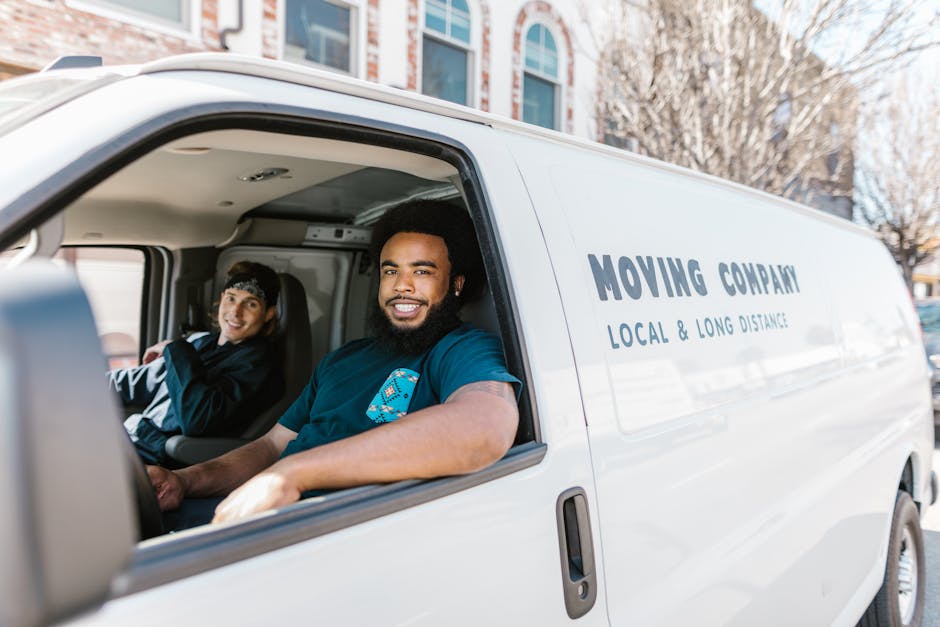
Oakwood to Cockfosters Removals Best Van Access Advice

If you are planning a move between Oakwood and Cockfosters, the van access part can make the whole day either calm and tidy or a bit of a headache. Oakwood to Cockfosters Removals Best Van Access Advice is really about reducing friction: finding the right stopping point, avoiding awkward turns, keeping neighbours happy, and making sure the van can load and unload without wasting time. Sounds simple. In practice, not always. One tight road, one low branch, one impatient parking choice, and suddenly everyone is carrying boxes an extra 40 metres in the drizzle.
This guide breaks the process down properly. You will find practical access advice, a realistic step-by-step approach, common mistakes to avoid, and a few local observations that matter more than people expect. Whether you are moving from a flat near Oakwood, a family home in Cockfosters, or a small business base somewhere in between, the aim is the same: make the vehicle access work for the move, not against it.
One small truth from moving days: the best access plan is usually the boring one. The van arrives, stops where it should, people know what is happening, and nobody is trying to reverse into a busy pinch point while holding a wardrobe door. Boring is good.
- Why van access matters on this route
- How access planning works in practice
- Key benefits and practical advantages
- Who needs this advice most
- Step-by-step guidance
- Expert tips for smoother loading
- Common mistakes to avoid
- Tools, resources and recommendations
- Law, compliance and best practice
- Options and access methods compared
- Real-world example
- Practical checklist
- Conclusion
- Frequently asked questions
Why Oakwood to Cockfosters Removals Best Van Access Advice Matters
Van access is one of those details that seems minor until it goes wrong. On a local move, the distance between the van and the front door can be the difference between a tidy two-hour job and a long day of stop-start carrying. In an area like Oakwood to Cockfosters, where road layouts can vary from wider residential streets to narrower side roads and busier nearby approaches, access planning is not just helpful. It is part of the move itself.
Good access advice matters for a few clear reasons. First, it protects your belongings. Fewer carries mean fewer opportunities for knocks, scrapes, and the classic "this box was definitely lighter when we packed it" moment. Second, it protects the property. The less you have to squeeze a van around corners or over kerbs, the lower the chance of damage to driveways, gates, paving, or communal areas. Third, it saves time, which usually means money as well.
There is also a safety angle. A van parked badly can create blind spots, pedestrian issues, and tension with neighbours. A van parked well simply disappears into the background and lets the move happen. That is what you want.
If you are also comparing wider moving services, it may help to look at removals and the range of removal services available, because access planning tends to work best when the vehicle choice, packing approach, and loading sequence are coordinated rather than treated as separate jobs.
How Oakwood to Cockfosters Removals Best Van Access Advice Works
At its core, access advice is a practical pre-move assessment. You look at where the van can legally and safely stop, how close it can get to the entrance, whether there are width or height constraints, and what the likely loading path will be on the day. Then you decide what vehicle size and loading method make sense. Simple enough in theory, but the details are where the value is.
In a typical local move, the process usually looks like this:
- Identify the property type: house, flat, maisonette, or commercial unit.
- Check the road outside both addresses for width, parking pressure, and turning space.
- Look for restrictions such as residents' bays, yellow lines, parking suspensions, time limits, or access-only areas.
- Measure the practical carrying distance from van to door, not just the straight-line distance on a map.
- Decide whether one van, a smaller van, or a shuttle-style approach would be best.
- Plan the load order so the first items out are the easiest to place inside the property.
That last point is often missed. If you unload heavy furniture before the basic boxes, you can end up blocking the hallway while someone hunts for kettle supplies. Not ideal. The better approach is usually to stage the essentials first, then build outward.
For many people, a useful starting point is to compare vehicle types. A man and van setup can be more flexible on tighter streets, while a moving van or removal van may suit larger loads if the road and parking allow it. Truth be told, the best choice is not always the biggest van; it is the van that can actually access the property without drama.
Key Benefits and Practical Advantages
Getting van access right gives you more than convenience. It changes how the whole move feels.
- Less carrying distance: Boxes, chairs, and white goods move faster when the van is close to the entrance.
- Lower damage risk: Shorter carries usually mean fewer bumps, fewer scuffed walls, and fewer close calls on stairs or garden paths.
- Better time control: You spend less time ferrying items back and forth, which keeps the day on track.
- Cleaner loading: Well-positioned vans make it easier to stack, secure, and organise the load.
- Less stress for everyone: And let's face it, moving day already has enough moving parts.
There is a less obvious benefit too: better access often reduces how chaotic the property looks to neighbours and passers-by. In places like Cockfosters, where streets can feel quite lived-in and parking space can be at a premium, being tidy and considerate goes a long way.
A well-accessed move also makes it easier to handle awkward items. If you need help with large furniture, you may want to explore furniture pick-up alongside your moving plan. For bulky pieces that need careful handling, access and lifting work hand in hand.
Who This Is For and When It Makes Sense
This advice is useful for anyone moving within or around Oakwood and Cockfosters, but it matters most when the property or road layout adds friction. You will notice the value quickly if any of the following sound familiar:
- You live on a narrow residential road with limited parking.
- Your property is a flat or maisonette with shared access.
- There are steps, turning corners, or a long path between the road and front door.
- You need to move large furniture, appliances, or boxed household contents in one go.
- You are moving at a busy time of day when nearby parking is tighter than usual.
- You are arranging a business relocation and need a clean loading window.
It is also relevant if you are not moving far but still want the day to run smoothly. Local does not automatically mean easy. A short trip can still be a complicated job if the van cannot get in, cannot turn round, or cannot stop safely without blocking a neighbour's driveway. You know the sort of thing. One person says, "It'll be fine," and another person is already sweating by 8:30 in the morning.
If your move is more commercial in nature, there are dedicated options such as commercial moves and office removals, both of which tend to benefit from precise access planning because timing and building entry rules can be stricter.
Step-by-Step Guidance
If you want the practical version, here it is. This is the process we would suggest for most Oakwood to Cockfosters removals when van access is a concern.
- Walk the route from door to kerb. Do not just look from the pavement. Check gate widths, slopes, steps, loose paving, low branches, and anything that could slow the carry.
- Assess parking options early. Identify whether the van can stop directly outside, nearby, or only for a short window. If the road is often busy, plan for a realistic fallback position.
- Measure awkward items. Sofas, wardrobes, beds, and appliances are the usual culprits. A few centimetres can matter more than you think.
- Check turning space. A van that can arrive is not always a van that can leave easily. Reversing out of a tight road with a load on board is not the moment to "see how it goes."
- Decide the load sequence. Put essentials and easy-to-stack items first in the vehicle plan, then larger or heavier pieces.
- Protect the route inside the property. Use floor coverings, door stops, or simple padding where needed. Small details matter.
- Allow a margin for the unexpected. A neighbour may be parked badly, or a delivery van may be on the wrong side of the road. Build in breathing room.
A practical example: if you are moving from a terraced property with no driveway, you might choose a smaller removal vehicle and do a few more careful loading runs rather than force a larger van into a space that was never going to cooperate. That is not a compromise. It is smart planning.
If you need help with packing as part of the same plan, a service like packing and unpacking services can take pressure off the day and make the load easier to organise. Well-packed boxes are easier to carry, easier to stack, and far less likely to split open at the worst possible moment.
Expert Tips for Better Results
These are the small, practical things that tend to separate a smooth move from a messy one.
- Pre-book the easiest stop point. If your street has predictable congestion, plan around it rather than hoping the van can improvise.
- Keep the first load accessible. Do not bury keys, paperwork, chargers, or kettle items at the back of the van. That is how a "quick unload" becomes a scavenger hunt.
- Label awkward items clearly. A wardrobe box, mirror, or dismantled bed frame should be obvious at a glance.
- Use the shortest safe route. The closest route is not always the best if it includes a tight gate, wet grass, or a steep step.
- Have one person responsible for access. Too many people giving parking advice at once can create a tiny committee, and committees are funny until they are not.
- Think about weather and light. Early morning and late afternoon moves can feel very different if the light is poor or the pavement is slick.
One underrated tip: communicate with anyone who shares the access space. If you are moving from a flat block or a shared drive, a quick heads-up can prevent parking arguments and delay. People are generally more relaxed when they know what is happening and for how long.
If your move involves larger furniture or a more delicate item list, you may find our guide to removals near me helpful as a starting point for understanding what local support can look like in practice.
Common Mistakes to Avoid
Most access problems are preventable. The mistake is usually not the road itself; it is the assumption that the road will be fine.
- Assuming the van will fit without checking. A street may look wide enough from the sofa, but angles change everything.
- Ignoring parking restrictions. Residents' rules, time limits, and suspended bays can catch people out if they are not checked in advance.
- Underestimating carry distance. Ten metres on paper can feel like fifty when you are carrying a mattress.
- Choosing the wrong vehicle size. Bigger is not always better if access is tight.
- Leaving loading until the last minute. That often leads to rushed decisions and avoidable lifting.
- Forgetting about nearby traffic flow. A van stopped in the wrong place can create knock-on issues fast.
Another common one: not checking whether the route includes stairs, uneven paving, or a narrow hallway that makes turning large items awkward. That little detail has saved more than one move from becoming a comedy of bad angles.
It is also worth avoiding the temptation to overfill the van just because it is there. If the load is stacked too tightly, unloading becomes slower and heavier. Good access advice should make the whole job easier, not just tick the box that says "everything fits somehow."
Tools, Resources and Recommendations
You do not need fancy equipment to improve van access, but a few simple tools help enormously.
- Measuring tape: Useful for checking furniture dimensions, doorway widths, and awkward gaps.
- Phone photos: Take pictures of the road, the parking area, and the route to the entrance. They help with planning and quick decision-making.
- Labels and marker pens: Keep boxes organised, especially if access means you may need to stage items in a specific order.
- Furniture covers and blankets: Good for protecting items when turning tight corners or carrying through shared spaces.
- Simple floor protection: Cardboard, runners, or protective coverings can help on wet or delicate surfaces.
For larger or more complex moves, it may also be worth looking at vehicle and service options such as man with a van, man with van removal, or removal companies. The right choice depends on access, volume, and how hands-on you want the move to be.
And if the move leaves you with items you no longer want, consider whether some pieces can be reused, recycled, or disposed of responsibly. Pages like recycling and sustainability can support a more thoughtful move, especially when decluttering has been part of the process.
Law, Compliance, Standards, or Best Practice
For van access, the main compliance issues are usually practical rather than dramatic, but they still matter. The basics are straightforward: park legally, avoid blocking access, respect local restrictions, and move in a way that keeps people safe.
In London, parking restrictions, loading rules, and local road conditions can vary from street to street. That means a move that seems straightforward in one part of the route may not be straightforward in another. If you are arranging stopping space close to the property, it is sensible to check the local conditions in advance and avoid assumptions. Councils can apply different rules for bays, suspensions, permit areas, and loading exemptions, so careful planning is the safest option.
Best practice also means considering neighbours, pedestrians, and building users. If a van needs to stop in a shared or tight access area, keep the loading time as short as practical, keep pathways clear, and avoid leaving doors open longer than needed. If you are in a managed block or a business property, check any building instructions too. A polite conversation early on often prevents the awkward conversation later. You know the one.
From a company perspective, it is reasonable to expect clear communication about insurance and safety. If you are comparing providers, pages such as insurance and safety, health and safety policy, terms and conditions, and payment and security help build confidence before you book.
When in doubt, choose the safer and more orderly setup. It tends to save time, and it certainly saves headaches.
Options, Methods, or Comparison Table
Different access methods suit different types of move. Here is a simple comparison to help you think it through.
| Access method | Best for | Pros | Watch-outs |
|---|---|---|---|
| Direct kerbside access | Homes with clear space outside | Fast loading, short carry distance, simpler logistics | May depend on parking availability and restrictions |
| Nearby stop with short carry | Busy streets or limited front-of-property parking | Flexible and often realistic in residential areas | Extra labour and more careful route planning needed |
| Smaller van / shuttle approach | Narrow roads, tight turns, difficult approaches | Improves manoeuvrability and reduces parking stress | May require more trips and stronger load organisation |
| Managed loading bay or shared access | Blocks, commercial premises, mixed-use buildings | Structured and often more predictable once arranged | Usually needs coordination, permissions, or timing control |
In practice, a lot of local moves end up in the second or third category, especially where parking is tight or street geometry is awkward. That is not a setback. It is just normal London moving life.
If you are still weighing the best setup, the service pages for house removals, home moves, and movers can help you decide which style of help fits your property and access conditions.
Case Study or Real-World Example
Here is a realistic scenario from a typical Oakwood to Cockfosters-style move. A couple were leaving a first-floor flat with a shared access path and moving into a terraced house with limited parking outside. The first instinct was to book a larger vehicle so everything could go in one go. Sensible on paper, but the access outside the new property was tighter than expected.
Instead, the plan changed. The van was positioned a short walk away at a safe stopping point, the load was organised so the largest furniture was closest to the door for unloading, and the most fragile boxes were tagged to come off first. It meant a little extra carrying, yes, but it kept the vehicle out of trouble and made the whole move calmer. The day still had the usual moving-day noise - tape tearing, doors banging, someone asking where the kettle went - but the access itself stopped being the problem.
That is the deeper lesson here. Good access advice does not always remove every inconvenience. What it does is stop one avoidable issue from snowballing into three more.
If bulky pieces are involved, the planning becomes even more important. A service like man and van removals can be a practical middle ground when you need flexibility without overcommitting to a larger vehicle that may not suit the street.
Practical Checklist
Use this checklist before moving day. It is simple, but it catches a lot.
- Measure large furniture and note any awkward dimensions.
- Check the parking situation at both addresses.
- Look for yellow lines, permit areas, or loading restrictions.
- Confirm whether there is a driveway, shared bay, or only street parking.
- Walk the route from the property entrance to the road.
- Identify steps, slopes, narrow gates, or low obstacles.
- Decide whether a smaller van would be easier than a larger one.
- Prepare protective coverings for floors and furniture.
- Label boxes clearly, especially essentials and fragile items.
- Keep keys, paperwork, and chargers separate from the main load.
- Speak to neighbours or building management if access may affect them.
- Build in extra time for parking, loading, and the unexpected.
Small checklist, big difference. Really.
Conclusion
Oakwood to Cockfosters Removals Best Van Access Advice is about planning the physical reality of the move, not just the address change. When you think ahead about parking, stopping space, carry distance, and van size, the entire job becomes easier to manage. Fewer surprises. Less lifting. Better safety. And a calmer day overall.
The best advice is usually the most practical one: measure what matters, choose a vehicle that suits the street as well as the load, and do not assume access will sort itself out. If you are moving in a tight local area, that little bit of preparation can save a surprising amount of stress.
Get a free quote today and see how much you can save.
And if there is one final thought to carry with you, it is this: a move feels much lighter when the van can do its job properly.
Frequently Asked Questions
What is the most important part of van access planning for a local move?
The most important part is knowing where the van can legally and safely stop relative to the property entrance. Once you have that, the rest of the plan becomes much easier to shape around parking, load order, and carry distance.
Should I choose a bigger van to save time?
Not always. A bigger van can help if the road and parking are straightforward, but on tighter streets it can create more problems than it solves. A slightly smaller, easier-to-position vehicle is often the smarter choice.
How far from the door is too far for loading?
There is no single number. What matters is whether the route is safe, clear, and realistic for the items you are moving. A short carry over steps or uneven ground can be harder than a longer carry on a clear path.
Do I need to check parking restrictions before moving day?
Yes, absolutely. Restrictions can change the access plan completely. Checking in advance helps you avoid delays, parking fines, or having to move the van partway through the job.
Is man and van suitable for narrow streets around Oakwood and Cockfosters?
Often, yes. It can be a practical option where larger vehicles would struggle. The key is matching the van size to the actual road conditions rather than choosing by habit alone.
What if the van cannot park directly outside the property?
That is common enough. In that case, a good access plan will use the nearest safe stopping point and stage the load so carrying remains efficient. It is better to walk a little than to force a risky parking position.
How can I make loading safer on a shared driveway or block access?
Keep routes clear, communicate with neighbours or building management early, and avoid leaving items in communal spaces longer than necessary. Clear communication prevents most access issues before they start.
What should I measure before moving day?
Measure large furniture, doorway widths, gate openings, stair landings, and any tight corners. Those are the points where access problems usually show up. A tape measure is cheap peace of mind.
Can access advice help reduce moving costs?
Yes. Better access planning can reduce wasted time, repeated trips, and the risk of last-minute vehicle changes. It does not guarantee a cheaper move, but it can make the quote more accurate and the day more efficient.
What if my move involves bulky items or awkward furniture?
Then access matters even more. Large items need enough space for safe lifting and manoeuvring, and sometimes they determine the type of van you should use. Planning around the biggest item first is usually the safest way.
Are there compliance issues I should think about for local loading?
Yes. The main concerns are parking legality, keeping access clear, and respecting any local restrictions or building rules. It is sensible to check these in advance rather than rely on assumptions on the day.
What is the best last-minute tip if I am already behind schedule?
Focus on the access point first. Clear the path, confirm the stopping position, and set the load order before anything else. A calm, organised start can recover a surprising amount of time, even if the day has already begun a bit chaotically.